
You have likely stared at a central exchange’s “maintenance” screen during a market breakout, feeling the absolute helplessness of having your capital locked away when the price is moving. We have all been there. Centralized platforms are convenient until they aren’t. When they freeze withdrawals or decide you aren’t “authorized” to trade a specific asset, the veneer of convenience crumbles.
The shift toward decentralized finance (DeFi) isn’t just about ideology; it’s about survival. By trading through Decentralized Exchanges (DEXs) and supercharging your execution with Liquidity Aggregators, you take back control. You stop being a “user” at the mercy of a corporate middleman and start being an owner of your own financial destiny.
Why Decentralized Exchanges (DEX) are the Standard for Autonomy
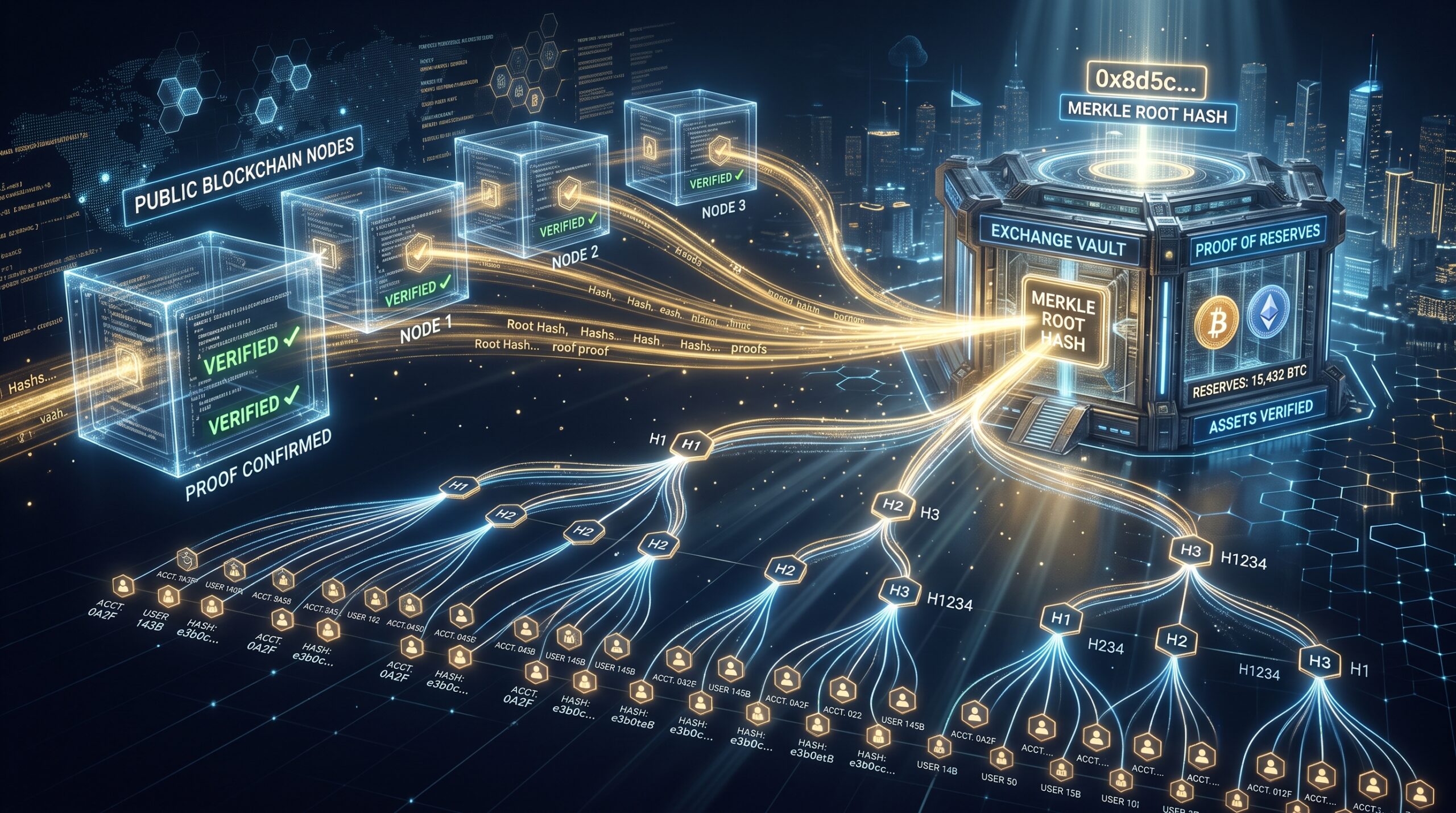
A DEX is essentially a set of smart contracts living on a blockchain. Unlike a bank or a centralized exchange, no person or company holds your funds. When you trade, you are executing code. This eliminates “counterparty risk”—the possibility that your exchange might go bankrupt, get hacked, or simply decide to lock your account for no reason.
The core of a DEX is the Automated Market Maker (AMM). Instead of hunting for a buyer or seller on an order book, you trade directly against a “pool” of liquidity. This ensures that you can always get a price, provided there is enough depth in the pool. For you, this means 24/7 access, no KYC (Know Your Customer) hurdles, and the ability to trade tokens the moment they are launched—long before they reach the big centralized exchanges.
Expert Insight: Don’t treat a DEX like a traditional brokerage. Because you hold your own private keys, you are your own bank. If you lose your keys, your funds are gone. Before you move significant capital, start small. Learn how to verify smart contract addresses and always triple-check that you are interacting with the official protocol, not a “phishing” copycat.
Liquidity Aggregators: Your Secret Weapon for Better Execution
Even in the decentralized world, liquidity is fragmented. A token might be available on ten different DEXs, and each one might have a slightly different price. Manually checking every pool is impossible. This is where Liquidity Aggregators enter the picture—think of them as a “Google Search” for the best trade price across the entire market.
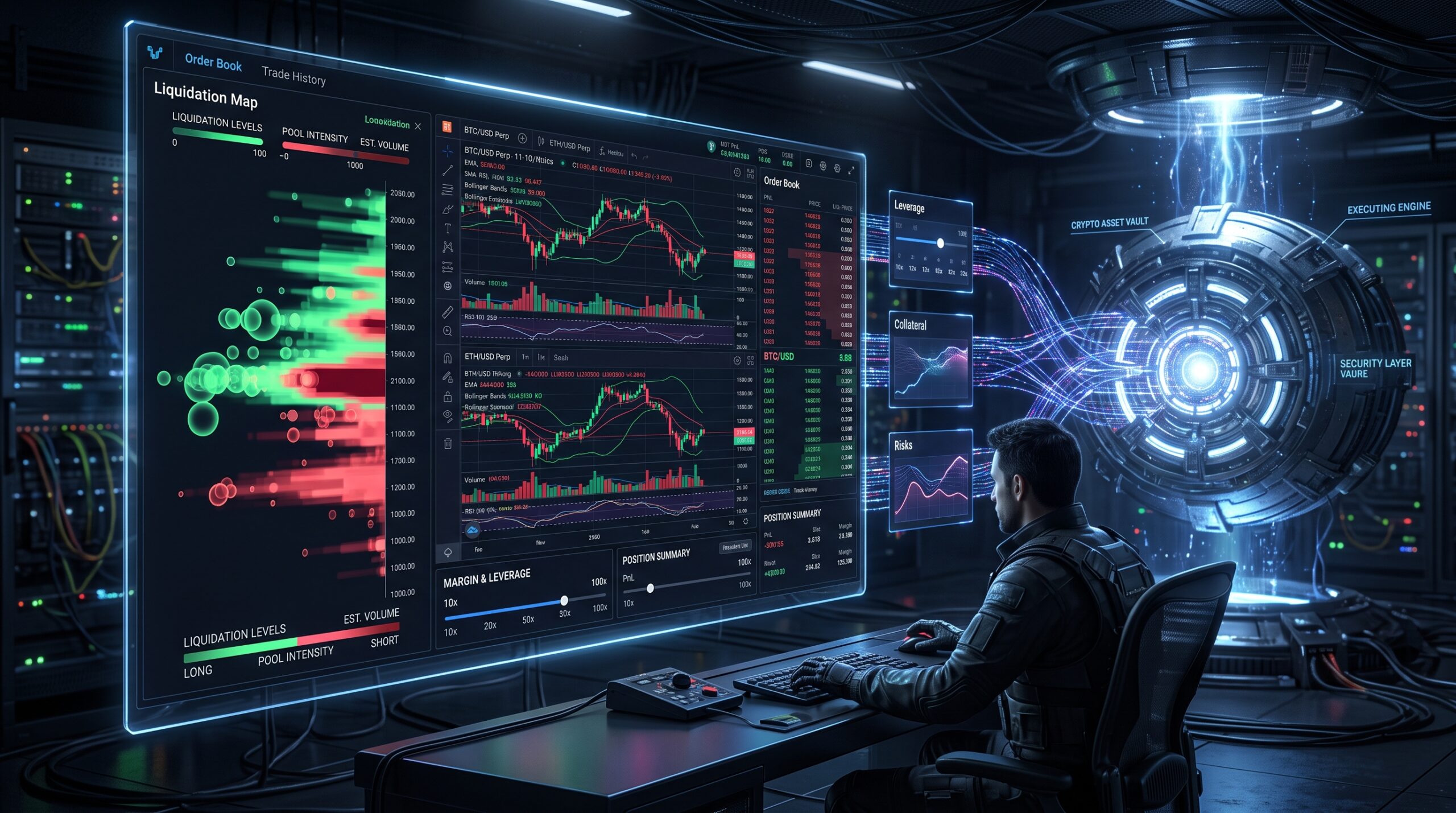
When you enter a swap on an aggregator, the smart contract doesn’t just send your order to one pool. It splits your trade into smaller chunks, routing them through the most efficient paths across multiple DEXs simultaneously. This process, known as “Smart Order Routing” (SOR), minimizes your slippage and ensures you get the absolute best price available at that exact millisecond.
Personal Example: I remember trying to swap a large position of a low-cap altcoin on a single DEX. The price impact was massive, and I was going to lose 3% of my total value just to the slippage. I switched to an aggregator, and the system split my trade across three different protocols. I saved nearly 2% of my capital simply by letting the algorithm handle the routing for me.
Reducing Slippage and Maximizing Efficiency
Slippage—the gap between your quoted price and your final execution price—is the silent profit-killer in DeFi. It happens when your trade is “too big” for the pool’s depth. Aggregators are the ultimate antidote. By tapping into the “aggregate” depth of the entire ecosystem, they transform a shallow puddle of liquidity into a deep ocean.
For larger trades, this is non-negotiable. Aggregators don’t just find the best path; they actively mitigate “sandwich attacks.” These are malicious bots that see your trade in the mempool and “sandwich” it, buying before you to drive the price up, and selling immediately after you. Advanced aggregators now offer private transaction routing, ensuring your trade stays hidden until it’s safely executed on-chain.
Expert Insight: Always check your “Slippage Tolerance” setting. Beginners often set this too high (e.g., 2% or 3%) because they are afraid their trade will fail. If you are using a good aggregator, you can usually keep this very low (0.1% to 0.5%). If the trade fails, it’s usually better to adjust the fee (gas) rather than letting the slippage window stay wide open.
The Future of Permissionless Trading
The beauty of combining DEXs with liquidity aggregators is that you remain completely “permissionless.” You don’t need to ask for permission to trade. You don’t need to provide a passport. You don’t need to wait for a company to “verify” your account. You simply connect your wallet, sign a transaction, and the blockchain does the rest.
We are moving toward a world where your wallet is your universal trading ID. Whether you are using a cross-chain aggregator to swap assets between different blockchains or using a simple DEX to capture the next trend, the infrastructure is now robust enough for professionals to move significant volume without ever touching a centralized entity.

DEXs give you the safety of self-custody, while liquidity aggregators give you the institutional-grade execution you need to be competitive. Stop relying on centralized exchanges that treat you like a line item in a database. Explore protocols like 1inch, Matcha, or Jupiter (depending on your chain), and start treating your trading execution with the same seriousness you give to your research. The tools to win are already here—you just have to use them.
FAQ
Are DEXs actually “safer” than centralized exchanges?
They are safer in terms of “custodial risk”—no one can freeze your assets. However, they carry “smart contract risk.” Always stick to established, audited protocols like Uniswap or Curve, and never interact with unknown or unaudited dApps.
Do aggregators charge extra fees?
Most aggregators are free or charge a tiny percentage for the routing service. Even if they do, the money you save by getting a better price and lower slippage almost always outweighs the service fee.
Can I use a DEX aggregator on my phone?
Yes, most aggregators have mobile-friendly interfaces, and you can connect your mobile wallet (like MetaMask or Rabby) to them just as easily as on a desktop.
What is the “gas fee” and why does it vary?
Gas is the payment to the network (like Ethereum or Solana) for processing your transaction. When the network is busy, gas costs rise. Aggregators try to optimize the “gas-to-price-improvement” ratio, but you will always need some native blockchain tokens to pay these network fees.